 Joe Farmer
Can You Still Take 25% of Your Pension Tax-Free?
Published on .
The Autumn Budget left the 25% tax-free pension rule and tax relief in place. Joe Farmer of The Retirement Office explains how much you can take, when, and what to check before you do.
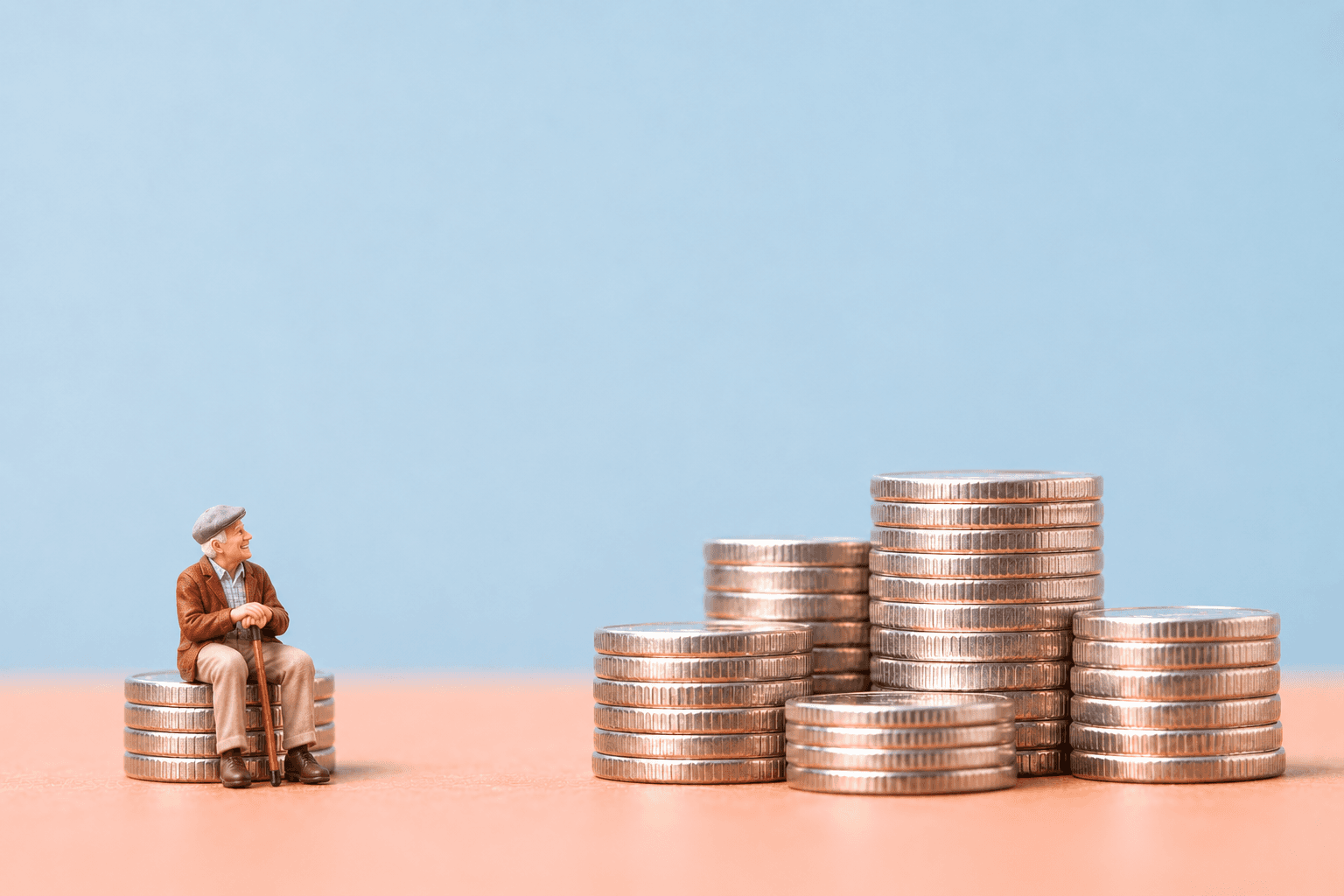
You can still usually take up to 25% of your pension savings without paying Income Tax. The Autumn Budget on 28 October 2026 did not change that rule. Tax relief, the tax saving you can receive when paying into a pension, also remains available, subject to the usual conditions.
That may be reassuring if you have been counting on pension cash to reduce your mortgage or help you move to part-time work. The next question is how much you can take and what it would mean for the money you will have to live on afterwards.
This article concerns pensions where payments build up an invested pot, including many workplace and personal pensions. The State Pension and pensions based on your salary work differently.
What does tax-free cash actually mean?
It means you can usually withdraw up to a quarter of the pension savings you are accessing without paying Income Tax on that amount.
For example, a £60,000 pension pot could provide £15,000 in tax-free cash, assuming you can access it and have enough tax-free allowance left. Taking that amount would leave £45,000 in the pension, before any charges or investment changes. The £15,000 comes from the savings you have already built up; it is not an extra payment from the Government.
You do not have to withdraw the remaining £45,000 at the same time. If you leave it invested, its value can rise or fall. When you take money from that remaining amount, it counts towards your taxable income. The tax you pay depends on your other income and available tax allowances.
There is an overall limit too. For most people, the standard tax-free lump sum allowance is £268,275 across all their pensions combined. Pension benefits already taken can reduce what remains available, while some people have protected rights to a higher amount. Your provider can confirm your position.
When can I take it?
You can usually start taking money from these pensions at 55. That minimum age rises to 57 from 6 April 2028. Some schemes set a later age, and exceptions can apply, including for certain people with ill health or a protected earlier pension age. Check with your provider before making plans around a particular birthday.
Reaching that age gives you an option. It does not mean you have to stop working or take money out.
Should I take the money now?
The Budget has not introduced a new deadline to take your usual tax-free cash. Future rules can change, but a rumour does not tell you whether a withdrawal is right for you.
There can be good reasons to use pension money. Reducing a mortgage could lower monthly bills, for example, although any early repayment charge needs checking. You also need to consider how much income your remaining pension could provide. Money spent now will no longer be available to cover later retirement costs.
You may be able to take money in stages, depending on your scheme. If you need £3,000 for a planned expense, ask about the options for taking that amount rather than assuming you must withdraw the full tax-free sum. A withdrawal can also affect benefits that depend on your income or savings.
Our guide to deciding whether to take your tax-free pension cash explains the questions to consider before making that decision.
What if I am still paying into my pension?
Tax relief on pension contributions remains available. Put simply, it means some of the money that would otherwise go towards Income Tax can help fund your pension instead.
In a pension where the provider claims basic-rate tax relief for you, paying in £80 means £20 is added, making £100 in your pension. Other workplace schemes take your pension payment before calculating Income Tax, so you receive the saving through your pay instead. You should not expect a separate £20 top-up in every arrangement.
If you pay Income Tax above 20% and your provider only adds basic-rate relief, you may need to claim extra relief from HMRC. Ask your payroll team or provider how your scheme works. There are limits on tax relief, linked to your earnings and pension allowances, so check before making a large one-off payment.
If you are taking pension money while still saving, the withdrawal method matters. Taking taxable withdrawals as and when you need them can reduce the total you and your employer can pay into pension pots without an extra tax charge to £10,000 a year. Taking only tax-free cash and leaving the rest invested normally does not trigger that limit.
A useful next step
Start with your latest pension statement and payslip. Find out how much you have saved, what you and your employer pay in, and when the scheme allows you to take money. If you are planning a withdrawal, write down what it would pay for and how much you need.
At The Retirement Office, our retirement planning work brings those details together with your household spending and plans for stopping or reducing work. That helps you understand what your pension needs to provide before deciding how to use it.
As a Perky member, you can book an initial conversation with The Retirement Office through the Perky app at no cost and without obligation. We will discuss your circumstances and what you want to achieve. If personal financial advice is appropriate, we will explain the service and charges before you decide whether to proceed.
Thanks for reading!
More Posts